
Guild Wars 3 Combat Roles
Closer to a trinity than Guild Wars 2 — still flexible, still not every kit doing everything.
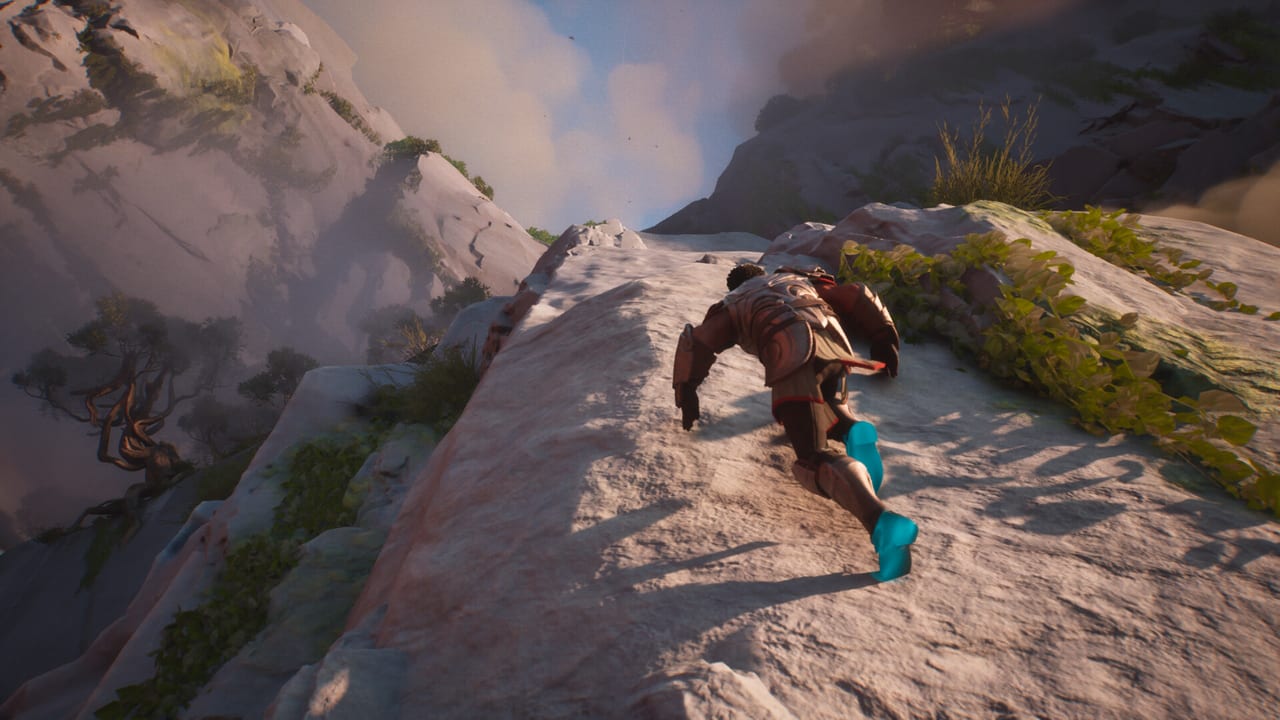
Guild Wars 2 spent more than a decade teaching players that toughness, boons, and weapon swaps could replace a classic tank-healer-damage split. Guild Wars 3 is walking back toward something more readable without copying a 2004 holy trinity. ArenaNet has said roles sit closer to a trinity than they did in Guild Wars 2, that threat and aggro are returning, and that professions play those roles in different ways. The important qualifier, repeated in the Gamescom 2026 conversations: not every Warrior is a tank, and not every profession will do everything.
That last sentence is the whole design brief. If you came from Guild Wars 2 expecting every class to cover every job with a trait line, you will be fighting the game. If you came from a theme-park MMO expecting one Warrior spec to be the only legal tank, you will also be fighting the game. The middle path is the one the Classes Hub is tracking: defined jobs, multiple methods, loadouts locked in before the fight.
Trinity, threat, and what actually changed
A trinity-style split means someone holds attention, someone keeps people standing, and someone ends the fight. Guild Wars 3 is not shipping a public healer kit yet, so do not invent one. What is confirmed is the return of threat. Enemies can be held. Blocking, body position, and dedicated tank tools matter again. In Guild Wars 2, the person with the highest toughness often became the de facto tank whether they wanted the job or not. Here, aggro is a system you can play, not a side effect of a defensive stat.
The Warrior demo made that visible without turning the profession into a dedicated tank. Sword and shield can block. The same shield is a springboard for allies. A Warrior who wants to be a wall can spend less time on fall-velocity slams and more time holding a line. A Warrior who wants to be a bomb can run walls, drop with speed, and treat the shield as a setup tool for the Necromancer vaulting off it. Same profession, two jobs, two loadouts prepared in advance.
Necromancer tanking was raised as a possibility, not a finished spec: minions soaking hits while the scythe player stays mobile. That is the other half of the role pitch. A Warrior tanks with a body and a shield. A Necromancer might tank with a pack. The job is the same on a party frame — hold the thing that wants to eat the Ranger — and completely different in the hands. Until more professions exist in public, treat that as a design rule rather than a roster: each kit should have a distinct way to occupy a role, and some kits will simply not occupy some roles.
Multiplayer combos are the glue. The Gamescom session showed a Necromancer launching off a Warrior shield, a Warrior kicking enemies off cliffs, and an Ranger ice vortex that allies can ride so a Warrior can jump in for an icy slam. Those are not Guild Wars 2 combo fields you walk through by accident. They are physical, profession-specific interactions. A party that never talks will still clear easy camps. A party that plans loadouts will open tools the other group does not have.
Loadouts, Elites, and contextual windows
Builds are prepared before you fight, including the Elite, in a Guild Wars 1 shape. You are not swapping a full bar in the middle of a pull because a guide told you to. You are bringing a plan: who holds threat, who slams, who stays airborne, which Elite you charged through combat rather than from a cooldown icon. The Warrior Elite shown — Rampage — is the example. It is charged by fighting, then spends that charge on faster attacks, stronger pushes, and higher jumps. Role identity and Elite identity are the same conversation.
Contextual skills make the plan spatial. An aerial bomb is not a slot you press on cooldown; it exists in a window while you are in the air. That means a tank-leaning Warrior and a slam-leaning Warrior do not merely have different numbers. They have different buttons available because they occupy different space. A Ranger who stays suspended is not a Warrior with a bow skin. The airborne window is the kit. Read how combat works for the movement layer, then come back here when you are picking a job for a group.
Harder content is being described as a Guild Wars 1-style coordination problem: you build for the enemy, not for a universal rotation. Fire on a weapon to burn spider webs was a demo beat, not a full crafting guide, but it is the same idea. Roles are not only tank-heal-damage. They are also who brought the tool the encounter actually asked for. If a future dungeon wants a minion wall, a shield trampoline, and an ice vortex, a party of three identical Warriors will feel the missing verbs even if their damage is fine.
Compare this with Guild Wars 2 if you need the contrast in one place. GW2 trained you to cover holes with traits and relic swaps. Guild Wars 3 is training you, already in pre-beta interviews, to cover holes with a second person and a second profession. That is why this page lives next to the class primers instead of inside a generic how to play article. The role conversation is the class conversation.
If you are assembling a wishlist main, decide the job you want to rehearse in the Fall 2027 beta, then pick the profession whose movement already points at that job. Slam-and-hold points at Warrior. Traversal-and-minion points at Necromancer. Stay-aloft points at Ranger. Do not wait for a fake healer column. Watch the roadmap and Gamescom 2026 notes for the next role verb ArenaNet is willing to put on a slide. Until then, treat threat as real, treat combos as physical, and treat every profession as a specialist — not a full party in one character.
Frequently Asked Questions
Quick answers for Guild Wars 3 players waiting on the Fall 2027 beta.
Is Guild Wars 3 a full holy trinity MMO?
It sits closer to a trinity than Guild Wars 2, with threat returning, but loadouts stay flexible. Not every Warrior is a tank, and not every profession will do every job.
Does threat replace toughness stacking?
Threat and aggro are returning as a system you play, not a side effect of one defensive stat. See Warrior for shield holding and Necromancer for possible minion tanking.
How do multiplayer combos differ from Guild Wars 2 fields?
Shown combos are physical and profession-specific: a Necromancer vaulting a Warrior shield, a Ranger ice vortex allies can ride. Details sit on the class pages and in combat.
Can one profession fill every role?
ArenaNet has said not every profession will do everything. Prepare a loadout, including Elite, for the job you intend, then bring allies for the verbs you lack.
When can we test real party comps?
The first beta is Fall 2027. Until then this page is a primer. Track dates on the beta tracker and kit reveals on the Classes Hub.